Eye Care
All About Conjunctivitis/Madras Eye
by admin
4th August 2023
6 minutes read
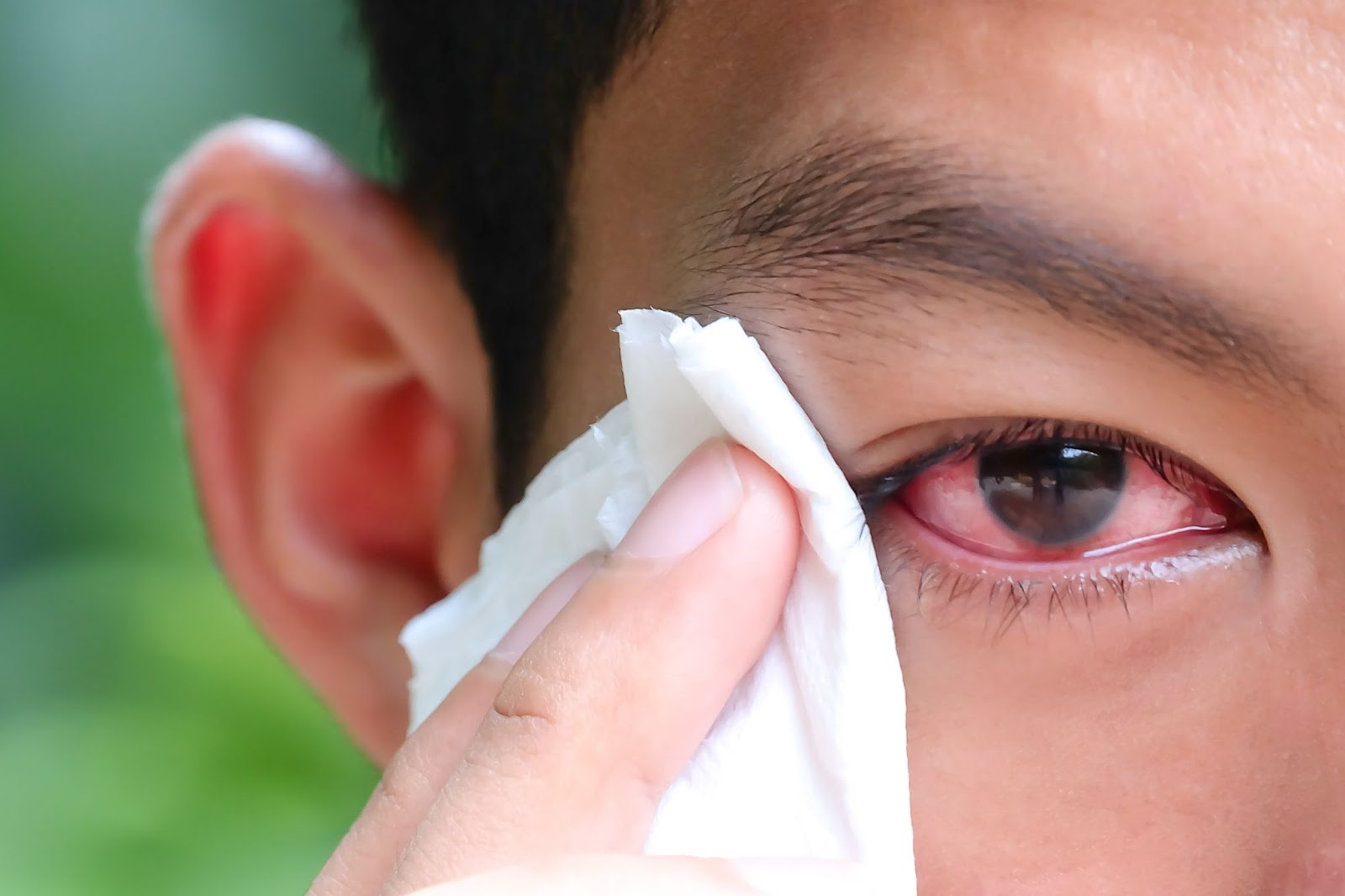
Conjunctivitis, commonly known as “pink eye,” is an inflammation or infection of the conjunctiva, which is the thin, transparent layer of tissue that covers the white part of the eye and lines the inner surface of the eyelids. The condition gets its name “pink eye” because the inflammation often causes the blood vessels in the conjunctiva to become more prominent, giving the eye a pink or reddish appearance.
A viral infection commonly causes conjunctivitis. However, it can also be caused by bacterial infections, an allergic reaction, or an incompletely open tear duct. In this article let’s understand all about conjunctivitis in detail.
What are the Types of Conjunctivitis?
Here are the types of conjunctivitis which are classified based on their causes:
Viral Conjunctivitis:
- Caused by: Various viruses, including those responsible for the common cold.
- Symptoms: Redness, watering, itching, and sensitivity to light.
- Contagious: Highly contagious and can spread easily, especially among children.
- Treatment: Usually resolves on its own, though antiviral medications may be prescribed in severe cases.
Bacterial Conjunctivitis:
- Caused by: Bacteria like Staphylococcus aureus, Streptococcus pneumoniae.
- Symptoms: Redness, thick yellow or green discharge, eyelids stuck together after sleep.
- Contagious: Also contagious, especially in close-knit environments.
- Treatment: Antibiotic eye drops or ointments are typically prescribed.
Allergic Conjunctivitis:
- Caused by: Reaction to allergens such as pollen, dust mites, mold, or pet dander.
- Symptoms: Itching, redness, swelling, tearing; often occurs in both eyes.
- Contagious: Not contagious, as it is a response to allergens.
- Treatment: Antihistamine or anti-inflammatory eye drops, avoiding allergens when possible.
Chemical Conjunctivitis:
- Caused by: Exposure to irritating substances like chlorine, smoke, or noxious fumes.
- Symptoms: Redness, irritation, and watering.
- Contagious: Not contagious, as it is a reaction to chemicals.
- Treatment: Rinsing the eye with water or saline solution, specific treatment based on the chemical involved.
Giant Papillary Conjunctivitis (GPC):
- Caused by: Long-term wear of contact lenses or an artificial eye, leading to irritation.
- Symptoms: Large bumps under the eyelids, itching, eye discharge, blurred vision.
- Contagious: Not contagious, as it is a response to foreign material.
- Treatment: Limiting contact lens use, using special contact lenses or solutions, other treatments tailored to the specific situation.
Understanding the specific type of conjunctivitis is crucial for appropriate treatment and management. The approach to care can vary widely depending on whether the cause is viral, bacterial, allergic, chemical, or related to foreign body irritation.
What are the Common Symptoms of Conjunctivitis?
The common symptoms of conjunctivitis, also known as “pink eye,” can vary depending on the type of conjunctivitis (infectious, allergic, or irritant), but some typical signs and symptoms include:
- Redness: Often one of the first signs, giving it the name “pink eye.”
- Discharge: May be clear, yellow, or green.
- Itching or Burning: Often accompanied by a gritty feeling in the eye.
- Tearing: Excessive tearing is common.
- Crusting: Particularly upon waking, as discharge dries overnight.
- Light Sensitivity: Discomfort in bright light may occur.
It’s essential to note that some symptoms may be more specific to certain types of conjunctivitis. For example, viral conjunctivitis may cause more watery discharge, while bacterial conjunctivitis can produce thicker, yellowish, or greenish discharge. It is important to seek medical attention for proper diagnosis and appropriate treatment.
How is Conjunctivitis Diagnosed?
Your healthcare provider may diagnose conjunctivitis through:
- Medical History: Including symptoms and recent health history.
- Physical Examination: Examining the eye for inflammation and discharge.
- Lab Tests: Swabbing the conjunctiva to analyze for bacteria or viruses if needed.
How is Conjunctivitis Managed?
The management of conjunctivitis, also known as “pink eye,” depends on the underlying cause, whether it is infectious (bacterial or viral), allergic, or irritant-related. Here are some general guidelines for managing conjunctivitis:
- Viral Conjunctivitis: Usually self-limiting, with symptomatic treatment. Artificial tears or lubricating eye drops can be used to relieve discomfort and keep the eyes moist.
- Bacterial Conjunctivitis: Treated with antibiotic eye drops or ointments. Follow the prescribed treatment plan and complete the full course of antibiotics as directed.
- Allergic Conjunctivitis: Try to identify and avoid the allergens triggering the symptoms. Antihistamine or steroid eye drops may be prescribed.
- Irritant Conjunctivitis: For irritant conjunctivitis caused by exposure to irritants like smoke, chemicals, or chlorine, the main treatment is to avoid the irritant and flush the eyes with clean, cool water.
What are the Complications of Conjunctivitis?
Delaying treatment for conjunctivitis may lead to certain complications such as:
Spread of Infection: Infectious conjunctivitis, especially bacterial and viral types, can be highly contagious. If proper hygiene measures are not followed, the infection can spread from one eye to the other or to other individuals through direct contact with eye secretions or contaminated objects.
Keratitis: In some cases, conjunctivitis can lead to keratitis, which is an inflammation of the cornea (the clear, dome-shaped layer covering the front of the eye). Keratitis can cause eye pain, sensitivity to light, and blurry vision. Bacterial and viral conjunctivitis are more likely to lead to keratitis if not properly managed.
Corneal Ulcers: Severe cases of keratitis can progress to corneal ulcers, which are open sores on the cornea. Corneal ulcers can be painful and may lead to vision loss if not treated promptly and appropriately.
Blepharitis: Conjunctivitis can sometimes be associated with blepharitis, which is inflammation of the eyelids. This condition can cause redness, swelling, and crusting of the eyelids.
Recurrent Conjunctivitis: Some forms of conjunctivitis, such as viral or allergic conjunctivitis, can recur periodically, leading to chronic or recurrent eye irritation and discomfort.
Vision Impairment: In severe or untreated cases, conjunctivitis can cause temporary vision impairment due to the eye’s irritation and inflammation.
It’s important to note that these complications are relatively rare, and most cases of conjunctivitis resolve on their own or with appropriate treatment.
Conclusion
Conjunctivitis is a common yet diverse condition with various causes, symptoms, and treatments. Prompt diagnosis and appropriate treatment are essential, as improper care can lead to complications. Education on prevention techniques, particularly hygiene practices, is crucial to reduce the spread and recurrence of this condition. Always consult with healthcare providers like optometrists or ophthalmologists to ensure proper care and treatment tailored to the specific type and cause of conjunctivitis.
FAQs
1. How is Conjunctivitis Diagnosed?
Diagnosis typically involves a medical history and eye examination. In some cases, a sample of eye discharge may be analyzed.
2. How is Conjunctivitis Treated?
Treatment depends on the cause. Viral conjunctivitis often resolves itself, bacterial conjunctivitis may require antibiotics, allergic conjunctivitis often involves antihistamines, and chemical conjunctivitis needs thorough rinsing.
3. Can Conjunctivitis be Prevented?
Prevention includes good hygiene, not sharing personal items, proper contact lens care, and avoiding known allergens or irritants.
4. When Should You See a Doctor?
Consult a healthcare provider if symptoms persist, worsen, or if there are significant pain or vision changes. Early diagnosis and treatment can prevent complications.
CATEGORIES
- ACL Reconstruction
- Anal Fissures
- Anal Fistula
- Appendicitis
- ASK A DOCTOR
- Benign Prostatic Hyperplasia
- Breast Lump Excision
- Cataract
- Circumcision
- Conditions & Diseases
- Cosmetology
- Covid-19
- Cure
- Endocrinology
- ENGLISH VIDEOS
- Eye Care
- Gallstones
- General Surgeries
- Government Schemes
- Gynaecology
- Gynecomastia
- Health
- Health Insurance
- Hernia
- Hindi
- Hip Arthoscopy
- Hip Replacement
- Hip Replacement Surgery
- Hydrocele
- Kannada
- Kidney Stones
- Knee Arthroscopic
- Laparoscopic
- LASER
- Latest Treatments
- Lifestyle
- Liposuction
- Medfin Stories
- Medicine
- Nephrology
- Ophthalmology
- Orthopaedic
- Paraphimosis
- Patient Testimonials
- PCL Reconstruction
- Phimosis
- Piles (Hemorrhoids)
- Pilonidal Sinus
- Proctology
- Prostate Artery Embolization
- Rhinoplasty
- Second Opinion
- Total Knee Replacement
- Urology
- Uterine Artery Embolization
- Uterine Fibroids
- Varicocele
- Varicose Veins
- Vascular
- VIDEOS