General Surgeries
What is Lipoma?
by admin
31st July 2023
7 minutes read
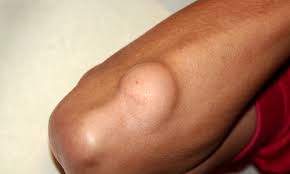
Lipoma is a small (2 to 3 mm in diameter), round or oval-shaped, slowly progressing lump found just between your skin and muscle layer, in different parts of your body like the forehead, neck, arms, back, shoulder, buttocks, thighs, and legs. These are usually painless swellings with no obvious cause; however, they could be inherited (passed down through families). Lipomas are made up of fatty tissues that are soft or rubbery and are freely movable on slight finger pressure that generally does not spread to the surrounding areas. Though lipomas are classified as tumors, they are often benign (noncancerous).
Lipomas are harmless conditions that do not require treatment except for certain situations when they cause severe pain and are unaesthetic in appearance. Read on to know more about these fatty lumps.
What Are The Causes of Lipoma?
The exact cause of lipoma is unknown; however, genetics plays an important role in the development of lipomas. It is believed to run in families and is passed down through generations; you are likely to develop a lipoma if someone in your family has one. Lipomas also occur in areas where an accident or injury has caused a significant impact. Sometimes, certain medical conditions predispose the development of a lipoma, such as:
- Gardner syndrome- It is a rare condition characterized by soft-tissue tumors, non-cancerous tumors of bone tissues (osteomas), and colonic nodules.
- Dercum’s disease/Adiposis Dolorosa- It is a disorder characterized by multiple, painful growths of lipoma, most often on the trunk, arms, and legs.
- Madelung’s disease/ Multiple Symmetric Lipomatosis- This disorder results in the abnormal accumulation of fat tissues around the neck, shoulders, hips, and thighs.
- Hereditary multiple Lipomatosis/ Familial Multiple Lipomatosis- It is an inherited disorder with the slow growth of fatty nodules spread across the trunk and thighs.
- Cowden syndrome- It is a genetic disorder characterized by multiple, non-cancerous, tumour-like growths. Subcutaneous lipoma is often seen in association with Cowden syndrome.
What are the types of Lipomas?
Lipomas are soft, freely movable nodules or lumps that most often consist of fat cells but may also contain blood vessels and other tissues within them. Lipomas can either be superficial or lie deep into the muscle layer of the area where it develops. The different types of lipomas are:
-
According to the extent
-
Superficial subcutaneous lipomas- These lipomas lie superficially, just below the skin.
Chondroid lipomas- These are deep-seated lipomas that are firm and appear yellowish in color, and commonly occur in women
According to the content of the lipomas
-
Conventional lipomas- These are the most common type of lipomas that contain fat cells responsible for storing energy.
-
Angiolipoma- Angiolipoma contains a large number of blood vessels along with fat cells, which are extremely painful.
-
Fibrolipoma- This type of lipoma contains both fat cells and fibrous tissues that feel hard on touch.
-
Hibernoma- Contains brown fat cells instead of matured white fat cells.
-
Myelolipoma- These lipomas contain fat and tissues that produce blood cells and resemble bone marrow.
-
Spindle cell- These types of lipomas contain fat cells that are longer than wide.
-
Pleomorphic- These have fat cells of varying shapes and sizes.
-
Atypical lipoma– These lipomas have deeper fat tissues with large numbers of cells.
What Are The Symptoms of a Lipoma?
Lipoma is a slow-growing, noncancerous lump of fatty tissue that is painless and usually does not require treatment. Lipomas are associated with the following symptoms:
- They are commonly seen in areas like- the forehead, arms, neck, shoulder, back, thighs, buttocks, and legs.
- They are small in size, usually measuring 2 to 4 mm in diameter, round or oval-shaped.
- These nodules are freely movable are soft or rubbery to the touch.
- Lipomas are most often painless and do not spread to other parts.
- They can either be single or multiple in number, and the size can vary.
- Sometimes, your lipoma may cause severe pain due to pressing against the nerve or blood vessels running through it.
How is a Lipoma Diagnosed?
Diagnosis is important to differentiate a lipoma from other nodules like cysts, etc, which is required to plan your treatment accordingly and also helps to rule out malignancy (cancer-causing). Your physician may perform:
- Clinical examination
- Biopsy – A tissue sample taken from the lipoma is sent for lab examination, generally to check for malignancy.
- Other tests include- X-ray, MRI (Magnetic Resonance Imaging), and CT (Computed Tomography).
How is a Lipoma Treated?
Lipomas are slow-growing, benign (noncancerous) lumps that are painless and harmless and generally do not require any treatment. However, periodic monitoring of the lipoma is important to keep a check on the size and other symptoms that could indicate malignancy.
Lipoma removal is necessary if:
- The lipoma is unaesthetic in appearance.
- You have extreme pain and discomfort when the lipoma is deep-seated and impinges (presses) against the nerve or blood vessel running through it.
- You have multiple lipomas (lipomatosis) that cause distress and affect your routine activities.
- The lipoma spreads to internal organs, causing complications, for example, when a lipoma spreads to the gastrointestinal (GI) tract, it may lead to constipation, abdominal pain, etc.
The treatment modalities for lipoma include:
Surgical excision
-
- Surgical excision of a lipoma is an outpatient procedure.
- The area is first disinfected with an antiseptic solution and numbed using local anesthesia
- The lipoma is removed surgically through a small cut (incisions) made near the affected area.
- The incisions made depend on the size of the lipoma but are usually 3 to 4 mm in diameter.
- A surgical instrument is inserted into the incision to break free all the fatty tissues from the surrounding area; hence, the lipoma is removed completely as a whole lump.
- If the cut is small, you do not require any sutures, only a waterproof dressing is sufficient.
- If the incision involved is large, then you may require sutures that are removed 7 to 10 days post-surgery (if the sutures are non-resorbable). A waterproof dressing is placed over it.
-
Steroid injections
-
- This treatment is an alternative to the surgical removal of lipomas.
- Usually beneficial for lipomas that are small in size, however, this is not as effective as surgical excision.
- The required amount of steroids is injected into the lipoma, which shrinks the fatty tissues through a process called lipolysis (a process that breaks down fat)
-
Liposuction
-
- This treatment modality is beneficial if you do not want any scarring that results due to surgical excision.
- A needle with a large syringe is used to aspirate (suction out) the fat cells.
- However, this is not a popular treatment method since there is an increased risk of recurrence, and lipoma removal may be incomplete.
Takeaway
Most often, many people live with lipomas and may not even notice them. Lipomas are harmless and painless lumps of fatty tissues that usually do not require treatment unless it causes pain or discomfort. Lipomas rarely grow back after removal, but you may have a new lipoma growing in a different area on your body. However, periodic monitoring is important to observe if the lump is growing in size (to rule out malignancy).
Consult our team of expert healthcare professionals at Medfin for further queries. Book an appointment with us if you notice any lump anywhere in your body.
Disclaimer:
The content on this site is the copyright of Medfin and is intended for informational and educational purposes only. This should not be considered as a substitute for medical and surgical expertise. Results from any treatments or surgeries are subjective to an individual patient and the type of procedure/ surgery performed. Please seek professional help regarding any medical concerns. Medfin will not be responsible for any act or omission arising from the interpretation of the content present on this page.
CATEGORIES
- ACL Reconstruction
- Anal Fissures
- Anal Fistula
- Appendicitis
- ASK A DOCTOR
- Benign Prostatic Hyperplasia
- Breast Lump Excision
- Cataract
- Circumcision
- Conditions & Diseases
- Cosmetology
- Covid-19
- Cure
- Endocrinology
- ENGLISH VIDEOS
- Eye Care
- Gallstones
- General Surgeries
- Government Schemes
- Gynaecology
- Gynecomastia
- Health
- Health Insurance
- Hernia
- Hindi
- Hip Arthoscopy
- Hip Replacement
- Hip Replacement Surgery
- Hydrocele
- Kannada
- Kidney Stones
- Knee Arthroscopic
- Laparoscopic
- LASER
- Latest Treatments
- Lifestyle
- Liposuction
- Medfin Stories
- Medicine
- Nephrology
- Ophthalmology
- Orthopaedic
- Paraphimosis
- Patient Testimonials
- PCL Reconstruction
- Phimosis
- Piles (Hemorrhoids)
- Pilonidal Sinus
- Proctology
- Prostate Artery Embolization
- Rhinoplasty
- Second Opinion
- Total Knee Replacement
- Urology
- Uterine Artery Embolization
- Uterine Fibroids
- Varicocele
- Varicose Veins
- Vascular
- VIDEOS